.svg)
.svg)
Why Is My Car Squealing When I Drive?
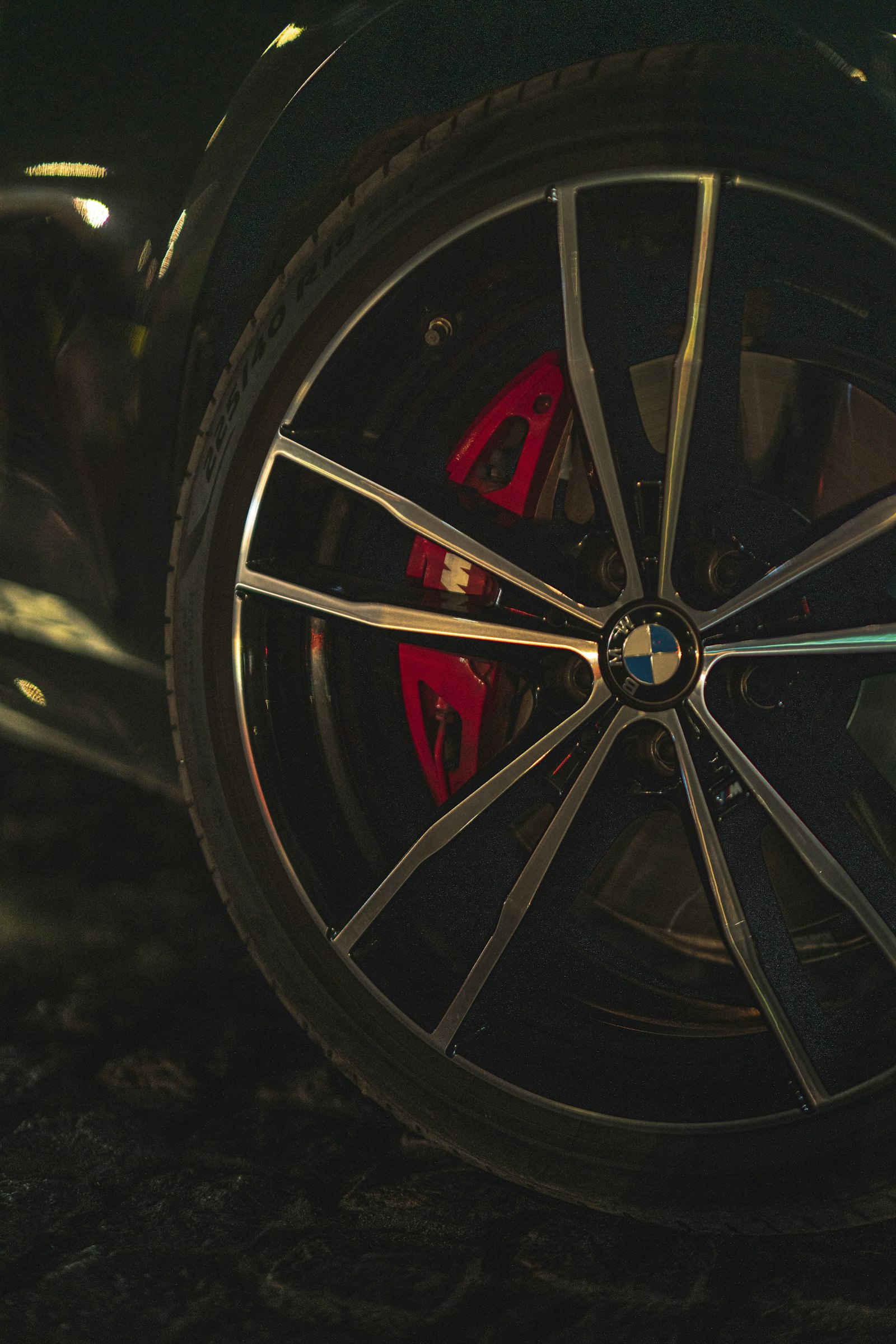
A squeal while driving usually points to worn brake pads or a serpentine belt. Here's how to tell which one, and when to get it checked.
Why Is My Car Squealing When I Drive?
A squeal while driving almost always comes from one of two places: the brakes or the serpentine belt. Figuring out which one is making the noise — and when it happens — is the fastest way to narrow down the cause before it turns into a bigger repair.
When the squeal happens tells you a lot
- Squeal only when you brake: Most brake pads have a small metal wear indicator designed to squeal once the pad material gets thin. It's an early warning, not an emergency, but it means a brake inspection is due soon.
- Squeal on startup or acceleration, not braking: This points to the serpentine belt — glazed, worn, or slightly loose. Cold, damp Minnesota mornings often make a marginal belt squeal that quiets down once the engine warms up.
- Squeal that changes with engine speed, not vehicle speed: Also a belt or pulley symptom. If the pitch tracks the RPM gauge instead of your driving speed, it's under the hood, not at the wheels.
- Squeal when turning the wheel at low speed: Usually power steering related — often a fluid or belt-tension issue on older vehicles.
Why it's worth checking sooner rather than later
A squealing brake pad left too long wears down to metal-on-metal contact with the rotor, turning an inexpensive pad replacement into a rotor replacement too. A worn serpentine belt that fails completely can leave you stranded, since it often drives the alternator, power steering pump, and water pump all at once.
What we check at Stellar Autoworks
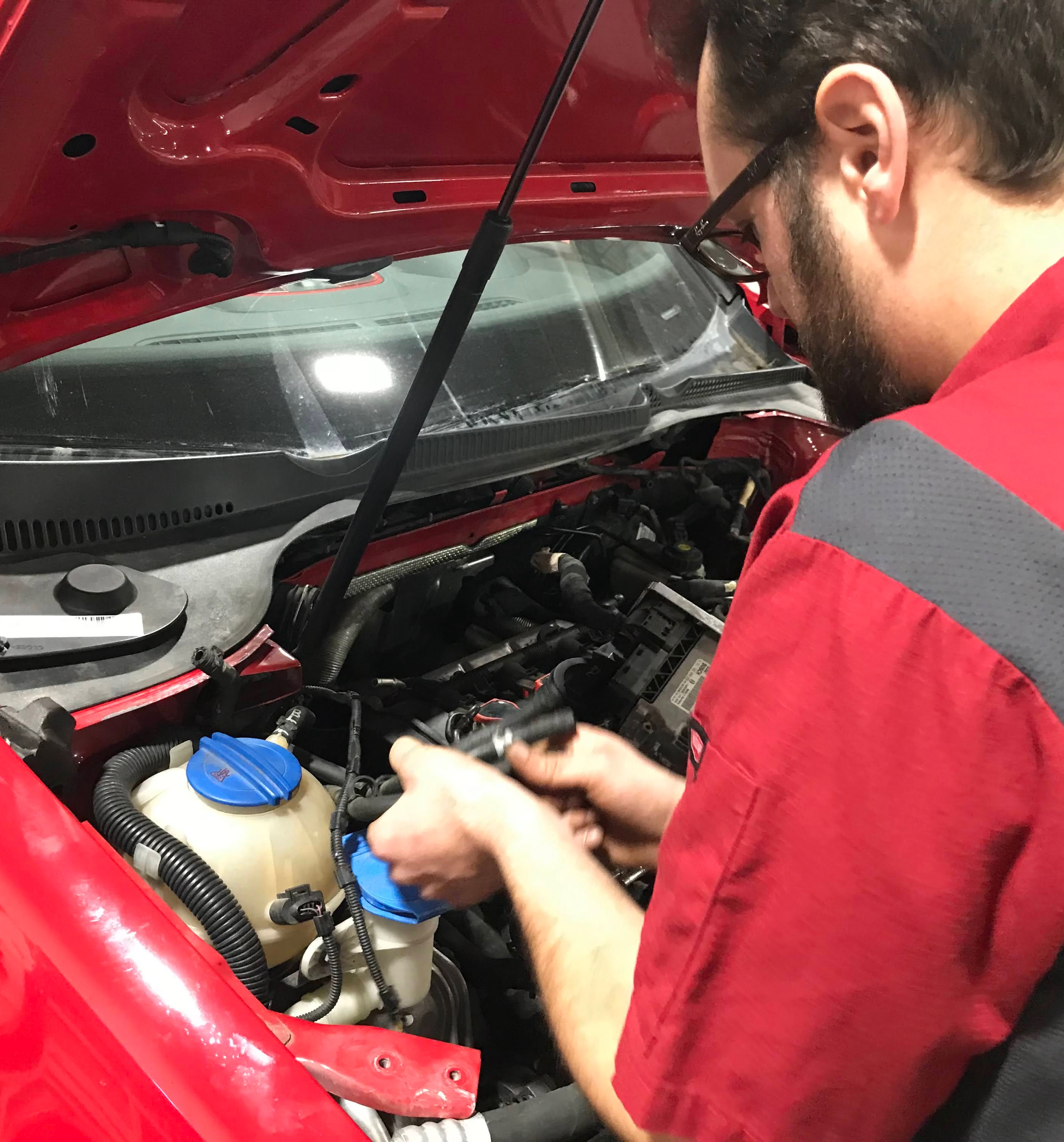
During a brake inspection, we measure remaining pad thickness, check rotor condition, and look for uneven wear that points to a caliper issue. For a belt squeal, we check tension, look for glazing or cracking, and inspect the pulleys and tensioner that keep it running quietly.
If your car has started squealing on your Plymouth-area commute, schedule an inspection with Stellar Autoworks and we'll help you find exactly where the noise is coming from before it becomes a bigger repair.