.svg)
.svg)
Why Is My Car Whistling?
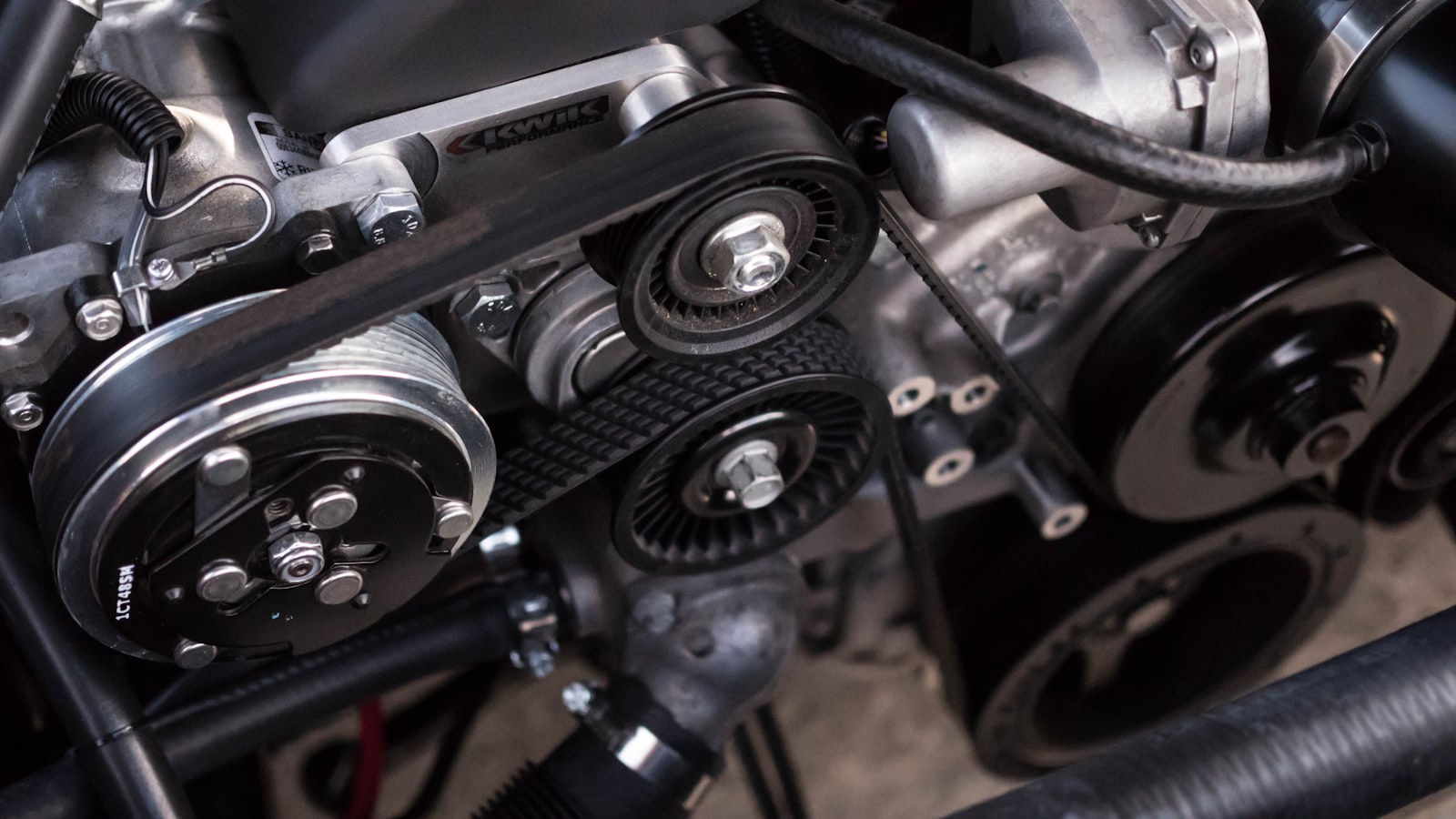
A whistle can mean a wind-noise seal gap or a vacuum leak under the hood — two very different fixes. Here's how to tell which one you're dealing with.
Why Is My Car Whistling?
A whistling sound usually comes from one of two places: a gap somewhere in the cabin letting wind through, or a vacuum leak under the hood. The two sound similar but show up in very different situations.
How to tell them apart
- Gets louder the faster you drive, seems to come from a window, door, or the roof: That's wind noise — usually a worn or gapped weatherstripping seal around a window, door, or sunroof.
- Comes from under the hood, most noticeable at idle or during acceleration, doesn't change with vehicle speed: That's a vacuum leak — typically a cracked hose or a loose intake connection letting in unmetered air.
- Whistle or hiss during acceleration, or right after you let off the gas, on a turbocharged vehicle: This is often just the turbocharger spooling up or the wastegate venting — normal behavior, not a fault.
Why it's worth checking
A vacuum leak does more than make noise — it can throw off the engine's air-fuel mixture, leading to a rough idle, a check engine light, or reduced fuel economy. A wind whistle from a worn seal is more of a comfort issue, but a seal that's failed enough to whistle will often eventually let water in too.
What we check at Stellar Autoworks
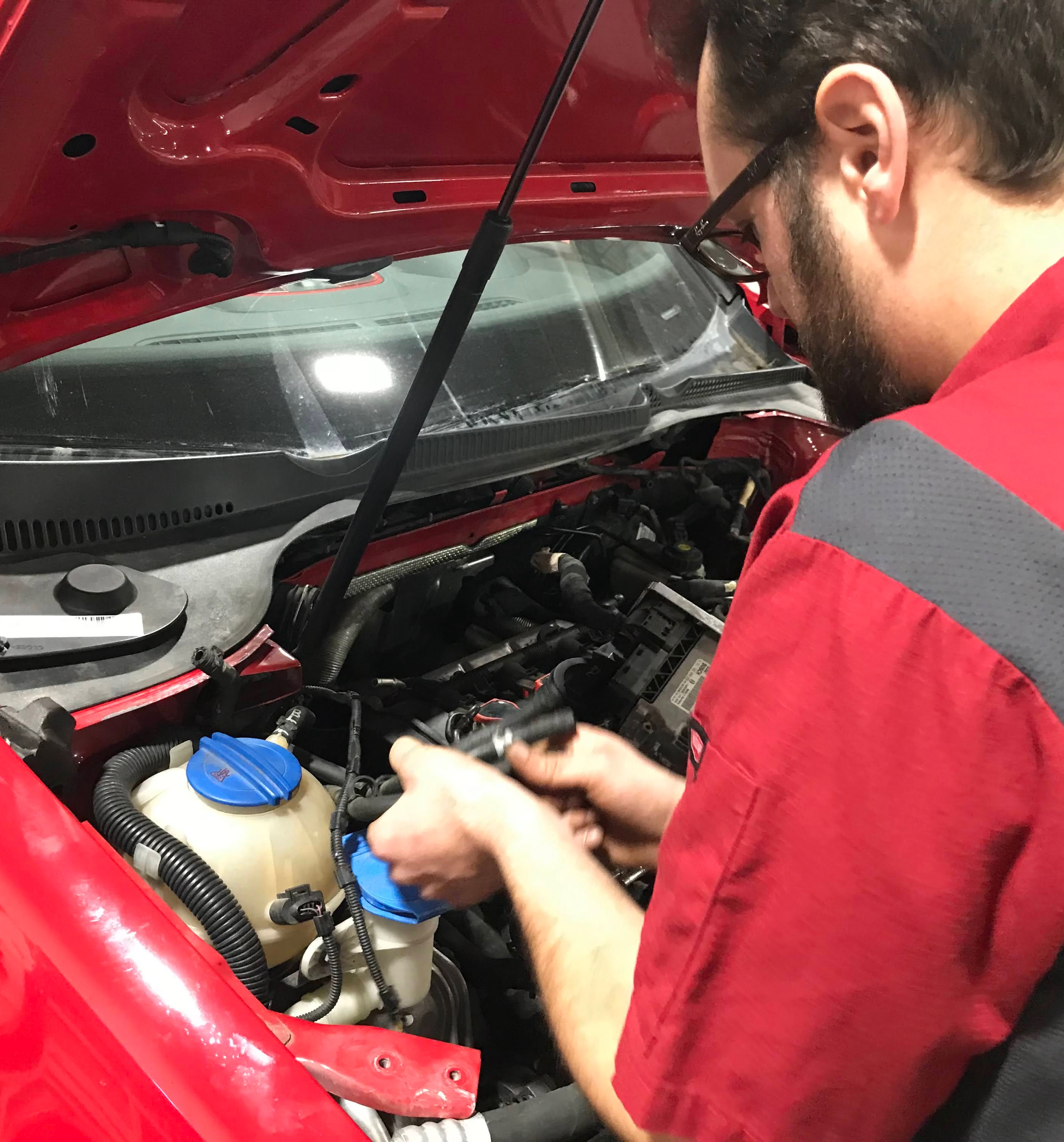
For a suspected vacuum leak, we run a smoke test to pinpoint the exact source rather than guessing at hoses. For cabin whistles, we inspect visible weatherstripping around doors, windows, and the sunroof for gaps, cracking, or compression wear.
If your car has developed a whistle on your Plymouth-area drives, schedule an appointment with Stellar Autoworks and we'll track down where it's actually coming from.