

.svg)
.svg)
Car Tune-Up Checklist: What's Actually Included
What a tune-up means on a modern car, the items a shop actually checks or replaces, realistic mileage intervals, and how to avoid an unnecessary package.
A modern car tune-up is a maintenance visit built around the ignition and air-and-fuel systems, plus a general inspection. On most cars that means spark plugs, engine air filter, cabin air filter, fuel filter if yours is serviceable, PCV valve, a throttle body cleaning if it is dirty, a fluid check, and an inspection of belts, hoses, battery, brakes, and tires. A scan for stored trouble codes should be part of it too.
What "tune-up" used to mean, and what it means now
The word comes from the carburetor era. Cars had ignition points, a distributor cap and rotor, a condenser, and a carburetor with an idle mixture screw. All of those drifted out of adjustment as they wore. Every 10,000 or 12,000 miles somebody set the points gap, checked ignition timing, adjusted the idle, and replaced the plugs. The engine genuinely needed tuning.
Nothing on a current car works that way. Ignition timing, fuel mixture, and idle speed are controlled by the engine computer and adjusted many times a second. There is no timing to set and no mixture to screw in. What is left are wear items: parts that get dirty, get old, or wear out and need replacing on a schedule.
So a tune-up today is really a bundle of replacements and checks. That is not a bad thing. It is just worth knowing what you are buying.
The full tune-up list
Here is what a routine tune-up covers on most gasoline vehicles.
- Spark plugs. The core item. Copper plugs are usually due around 30,000 miles. Platinum and iridium plugs commonly run 60,000 to 100,000 miles or more. Your manual has the number for your engine.
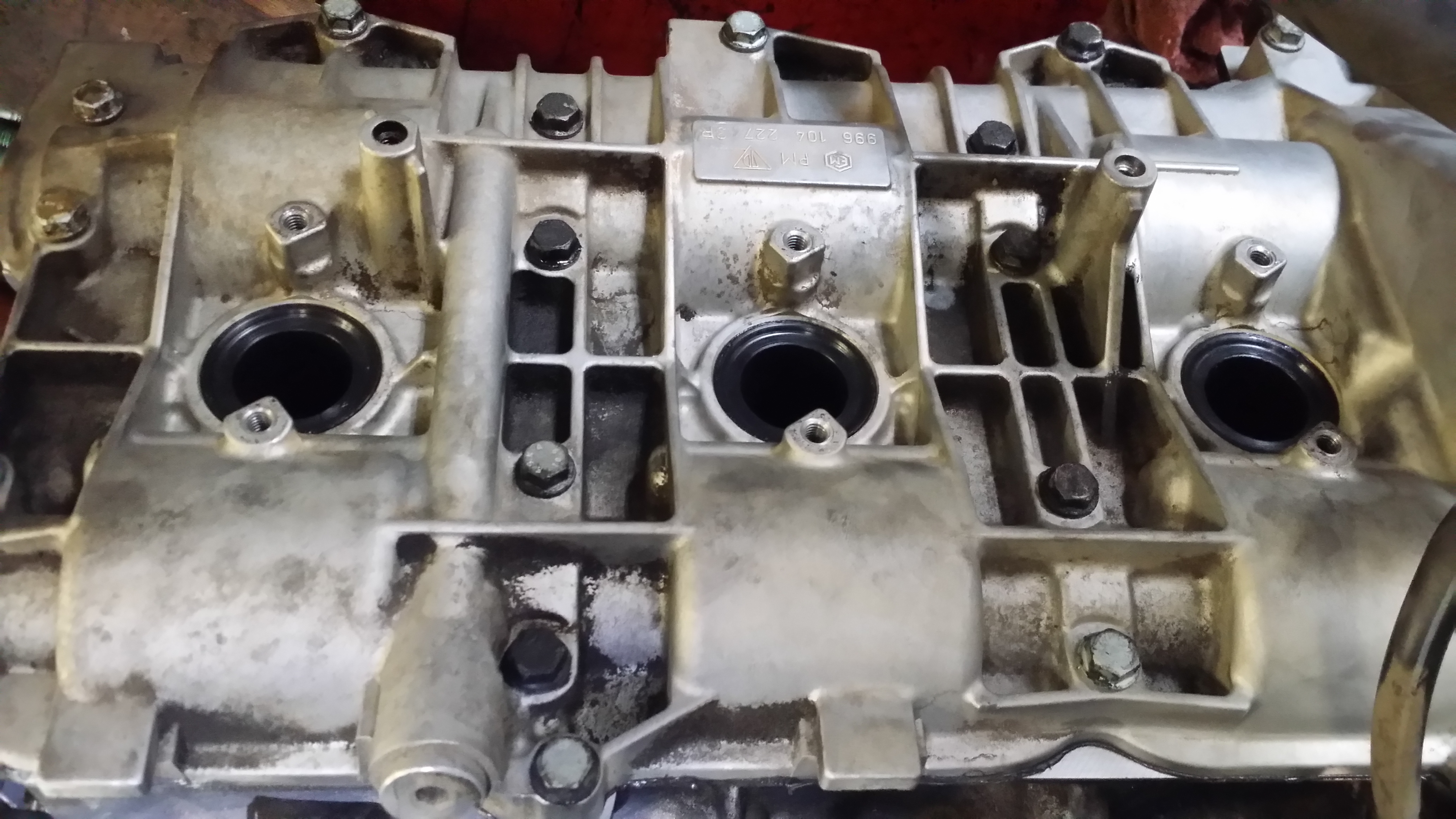
- Ignition coils. These are not a scheduled replacement. They get inspected, and they get replaced when one is failing or when a plug well is full of oil from a leaking valve cover gasket. A shop that replaces all the coils by default on a car with no misfire is selling parts.
- Engine air filter. Typically every 15,000 to 30,000 miles, sooner if you drive gravel roads or a lot of construction.
- Cabin air filter. Usually every 15,000 to 25,000 miles. This one affects your heat and defrost airflow, which matters here in January.
- Fuel filter. Many newer vehicles have the filter inside the fuel tank as part of the pump module and it is not a routine service item. Where an inline or spin-on filter exists, it is often on a 30,000-mile-ish schedule.
- PCV valve. Cheap, easy to check, and a stuck one causes rough idle, oil consumption, and seal leaks. Inspected at every tune-up, replaced when it is gummed or rattling wrong.
- Throttle body cleaning. Done when there is visible carbon buildup causing a hanging or unstable idle. Not something every car needs every time.
- Fluids checked. Engine oil, coolant, brake fluid, power steering where applicable, transmission fluid where it is checkable. Level and condition both.
- Belts and hoses. Looking for cracking, glazing, fraying, soft or swollen hoses, and any weeping at the clamps.
- Battery test. A load or conductance test, plus a look at the terminals and cables for corrosion.
- Tires and brakes. Tread depth, uneven wear, pressures, pad thickness, rotor condition, and any rust damage from road salt.
- Code scan. A scan for stored and pending codes catches problems the dash light has not lit for yet.
How often does a car need a tune-up
There is no single interval, because the items on the list have different lives. In practice most cars get a real tune-up when the spark plugs come due, and the smaller filters get handled at oil changes in between. If your plugs are iridium and rated to 100,000 miles, you may go through most of a decade without a full tune-up while still getting filters and inspections done regularly.
Treat every number you read, including the ones above, as a range. The owner's manual for your specific vehicle and engine is the authority. Two cars in the same driveway can have very different schedules.
Be careful with fixed tune-up packages
"Tune-up" is a loose term with no industry definition, so what it includes varies from shop to shop. Some packages are honest bundles. Others include work your car does not need, like plugs at 40,000 miles on a 100,000-mile plug, or a fuel system service on a car with no drivability complaint.
A good shop inspects first and then tells you which items are actually due, with the mileage or the condition that makes each one due. You should be able to ask why a line item is on the estimate and get a straight answer. If the answer is "it comes with the package," ask what happens if you skip it.
When to get it looked at
Some of this can wait, and some of it should not.
Get in soon if the check engine light is flashing, the engine is misfiring or shaking, you feel a stumble under acceleration, or fuel economy has dropped noticeably. A flashing light usually means a misfire that can damage the catalytic converter, and that is an expensive part to replace because you put it off.
Get in at your convenience if the light is on steady with no drivability change, if you are simply past a mileage interval, or if the car starts a little slower than it used to. Those are worth addressing but they are not a same-day emergency.
Cold weather is the honest deadline for a lot of this. Marginal plugs, a tired battery, and a clogged cabin filter all get exposed the first week it drops below zero, so fall is a sensible time to have it looked at.
If you are not sure what your car is actually due for, bring it to Stellar Autoworks in Plymouth and we will inspect it and tell you what needs doing and what does not. You can schedule service online, and qualifying repairs are covered by our 24-month/24,000-mile warranty.